
Why Dash Cameras Have Become Essential Technology for New York Fleet Operations Dash cameras have evolved into a core safety and operational management tool for commercial fleets. In complex traffic environments such as New York, fleets operate under constant exposure to congestion, unpredictable road behavior, and high accident frequency. A modern fleet dash cam system...

How to Wire a Dashcam That Turns Off With Ignition
What Does It Mean for a Dashcam to Shut Off With Ignition? A dashcam that shuts off with ignition is powered through a circuit that only receives electricity when the vehicle’s ignition is in the accessory or run position. When the key is turned off or the vehicle is shut down, power to that circuit...
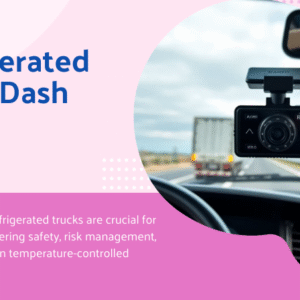
Dash Cams for Refrigerated Trucks in Food Transport
What dash cams for refrigerated trucks actually mean in food logistics Dash cams for refrigerated trucks are vehicle camera systems designed to monitor driving activity, cargo conditions, and operational compliance within temperature-controlled transport fleets. Unlike standard commercial dash cameras, refrigerated truck systems must support continuous operation, multi-camera integration, and compatibility with telematics and temperature monitoring...
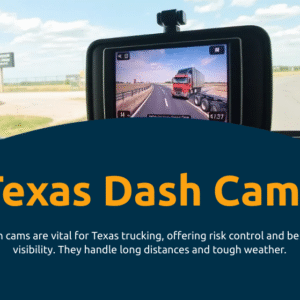
Dash Cams for Texas Trucking Companies: Compliance, Safety, ROI
What dash cams represent in Texas trucking operations Dash cams represent a risk-control and visibility layer that documents roadway events, driver behavior, and environmental context across Texas freight corridors. Texas fleets operate across long distances, mixed urban–rural routes, and extreme weather, which increases exposure to claims and operational blind spots. Video evidence converts uncertainty into...
How to Pick the Best Dash Cam for Semi Trucks
What determines the best dash cam for semi trucks in real fleet conditions The best dash cam for semi trucks is defined by reliability, visibility, and data capture rather than consumer features or retail price. Commercial trucks operate for longer hours, face greater liability exposure, and encounter harsher environmental conditions than passenger vehicles, which changes...
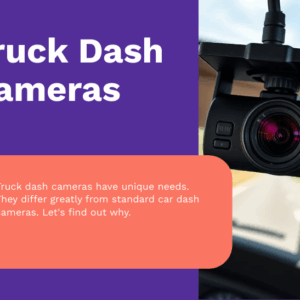
Dash Cameras for Trucks Aren’t One-Size-Fits-All
Dash cameras for trucks are not interchangeable because truck operations impose demands that consumer and light-vehicle cameras are not designed to handle. Differences in vehicle size, duty cycle, ownership structure, and liability exposure fundamentally change what a camera system must do to remain useful over time. A camera that performs adequately in a passenger vehicle...
Are Camera Systems Legal in Commercial Trucks?
What makes camera systems legal or illegal in commercial trucks Camera systems are legal in commercial trucks when their placement, function, and use comply with transportation safety rules, privacy laws, and employer monitoring standards. Legality hinges on whether the system interferes with driver visibility, unlawfully records audio, or violates reasonable expectations of privacy. Most disputes...
Dash Cam With GPS Tracking: Essential Features, Fleet Uses, and Modern Performance Standards
The Role of GPS-Enabled Video in Commercial and Personal Vehicle Operations A dash cam with GPS tracking provides synchronized visual and location documentation of vehicle trips. The system connects video frames to map-accurate coordinates, offering a clearer, more defensible record of events. Operators adopt these systems to understand real-world driving conditions with greater precision. Fleets...
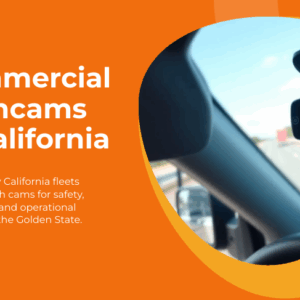
Commercial Dash Cams in California: Requirements, Standards, and Choosing the Right System
Why California Fleets Prioritize Commercial Dash Cams Commercial dash cams have become a core operational tool across California’s transportation, delivery, logistics, and field-service sectors. Companies rely on them to document road activity, reduce liability exposure, strengthen training, and meet internal safety benchmarks. In California, the use of dash cams is shaped not only by operational...
Dash Cam Privacy Laws: Understanding Regulations for Personal and Commercial Vehicle Use
Dash cams are now standard in commercial vehicles because they reduce accident liability, provide driver coaching insights, and protect fleets from fraudulent claims. Yet the legal landscape governing dash cam use is far from uniform. Laws vary not only between countries, but between U.S. states, Canadian provinces, and EU jurisdictions. The complexity increases when audio...
- 1
- 2