Fleet Compliance & Driver Safety Dash cams are legal in the United States, but drivers must follow state rules for windshield placement, audio recording, privacy, and safe operation. For most drivers, the answer is straightforward — problems arise from where the camera is mounted, whether audio is recorded without consent, and how footage is handled...
Where to Place Dashcam — Placement for Commercial & Fleet Vehicles
Where to place dashcam systems in commercial and fleet vehicles for complete operational visibility Dashcam placement in commercial vehicles must prioritize unobstructed road visibility, accurate driver monitoring, and full-context event capture without interfering with driver sightlines or violating regulations. Effective placement is not a cosmetic decision—it determines whether recorded footage is admissible, actionable, and operationally...
Dash Cams for Electrical Contractors: Liability & Safety
Electrical contractors use dash cams to control liability, verify field activity, and protect mobile operations Electrical contractors deploy dash cam systems to create verifiable records of vehicle activity, reduce exposure to disputed incidents, and enforce consistent driver behavior across service fleets. The system functions as a continuous documentation layer across all vehicle-based operations. Electrical work...
CommercialDashCams.com vs Samsara: Pricing & ROI
What differentiates CommercialDashcams.com from Samsara at a structural level CommercialDashcams.com and Samsara operate on fundamentally different business models, and that structural difference determines cost, flexibility, and operational impact. Samsara is built as a full-scale telematics platform that bundles hardware, software, and data analytics into a unified system, typically delivered through multi-year agreements. CommercialDashcams.com is structured...
Why Fleets Are Switching from Enterprise Dash Cam Platforms to CommercialDashcams.com
Enterprise Dash Cam Platforms Are Falling Short on Practical Value Enterprise fleet platforms are no longer aligned with the operational realities most fleets face. Systems built for large-scale, fully integrated telematics environments often introduce unnecessary complexity, rigid pricing, and long-term commitments that limit adaptability. Platforms such as Samsara, Geotab, and Verizon Connect remain widely adopted,...
Dash Cams for Florida Commercial Vehicles
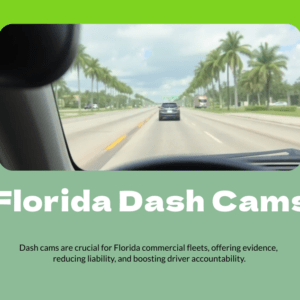
Why dash cams are critical for Florida commercial fleets Dash cams are essential for Florida commercial vehicles because they provide objective evidence, reduce liability exposure, and improve driver accountability in a high-risk operating environment. Florida’s combination of dense traffic, aggressive driving patterns, frequent weather disruptions, and high accident rates creates a uniquely volatile landscape for...
Dash Cams for HVAC Service Vehicles
Dash cams for HVAC service vehicles directly improve safety, accountability, and operational visibility Dash cams in HVAC fleets function as a continuous, objective record of driver behavior, road conditions, and service activity. For companies managing multiple technicians across dispersed service areas, this visibility eliminates ambiguity in both incident analysis and daily operations. The result is...
Dash Cams for New York Fleets: Safety, Compliance & ROI
Why Dash Cameras Have Become Essential Technology for New York Fleet Operations Dash cameras have evolved into a core safety and operational management tool for commercial fleets. In complex traffic environments such as New York, fleets operate under constant exposure to congestion, unpredictable road behavior, and high accident frequency. A modern fleet dash cam system...
How to Wire a Dashcam That Turns Off With Ignition
What Does It Mean for a Dashcam to Shut Off With Ignition? A dashcam that shuts off with ignition is powered through a circuit that only receives electricity when the vehicle’s ignition is in the accessory or run position. When the key is turned off or the vehicle is shut down, power to that circuit...
Dash Cams for Refrigerated Trucks in Food Transport
What dash cams for refrigerated trucks actually mean in food logistics Dash cams for refrigerated trucks are vehicle camera systems designed to monitor driving activity, cargo conditions, and operational compliance within temperature-controlled transport fleets. Unlike standard commercial dash cameras, refrigerated truck systems must support continuous operation, multi-camera integration, and compatibility with telematics and temperature monitoring...